


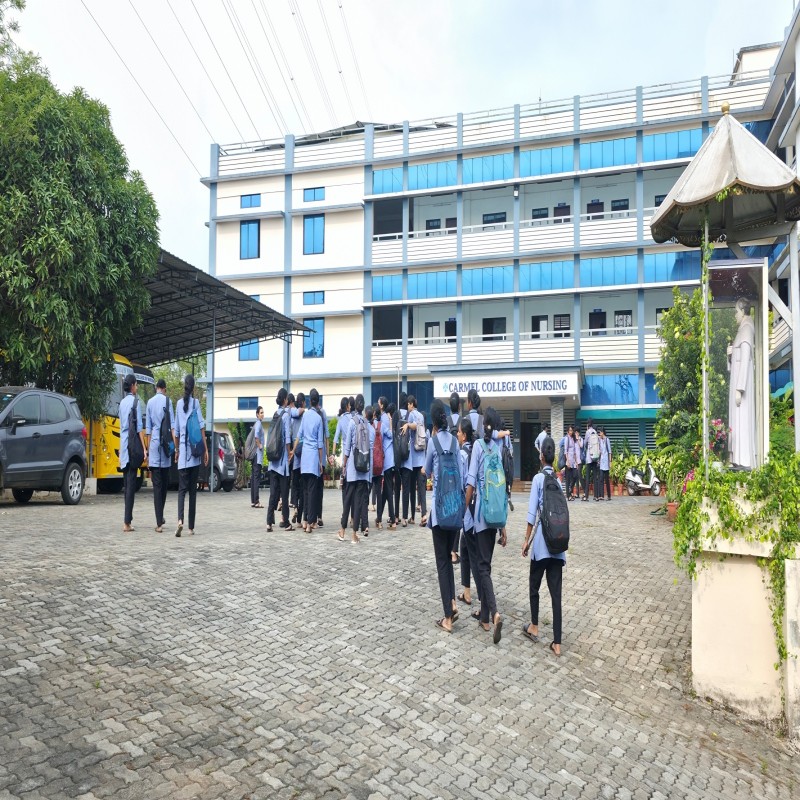
Student life at Carmel Nursing College focuses on academic growth, professional development, discipline, and student welfare. The institution provides several support systems and committees that help students develop personally and professionally. A student-centered framework at a healthcare institution like the Carmel College of Nursing ensures that academic rigor is balanced with psychological safety, professional growth, and personal well-being. The structural blueprint details the core components of Student & Campus Life, specifically tailored to align with institutional web standards, statutory bodies (like the Indian Nursing Council/UGC), and student support frameworks.
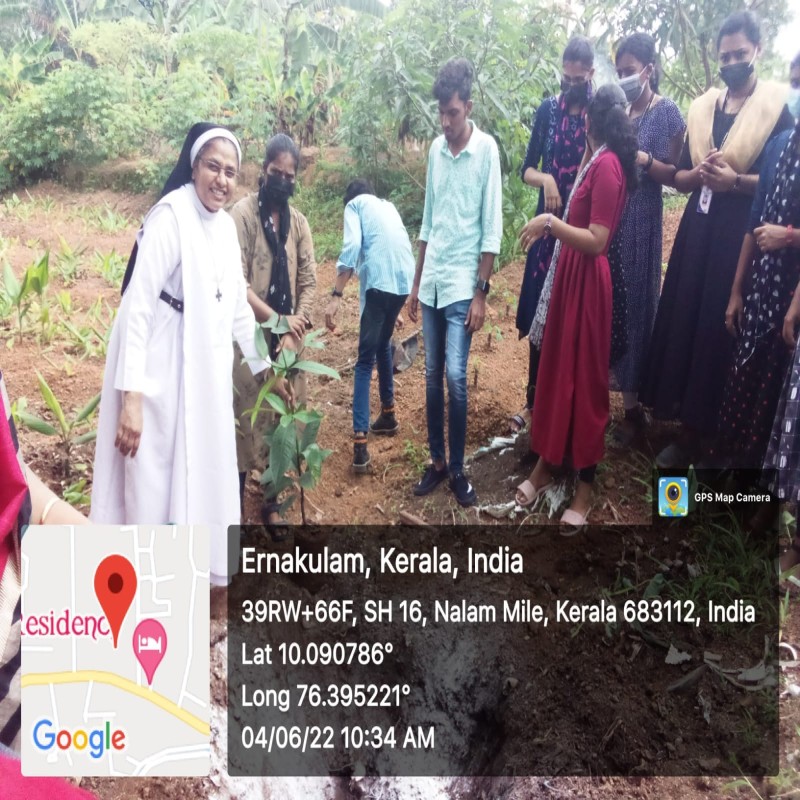
The campus experience is engineered to transition nursing students smoothly from classroom learning to high-stakes healthcare environments. Extracurricular Engagement: Driven by bodies like the SNA (Student Nurses Association of India) and the College Union, organizing sports meets, cultural fests, and community health outreach programs for holistic development.
At our college, we believe that true education extends beyond academic excellence to the holistic development of character and spirit. To nurture socially responsible and empathetic individuals, we actively integrate Value-Based Practices into our campus life. Through structured soft skill training and uplifting motivational classes, we equip our students with the emotional intelligence and resilience needed to navigate the modern world. Furthermore, our vibrant community life is enriched by traditional Feast Day celebrations and spiritual observances like the annual Rosary Rally, fostering a deep sense of faith, mutual respect, and cultural harmony. Together, these initiatives cultivate a value-driven environment where students learn to lead with integrity and serve with compassion. At our Nursing College, value-based practice is an integral part of nursing education and patient care. We strive to instill core values such as compassion, integrity, respect, empathy, accountability, and professionalism in our students. Through classroom learning, clinical training, and community outreach programs, students are encouraged to provide holistic and patient-centered care while upholding ethical standards. Value-based practice enables future nurses to make responsible decisions, build trusting relationships with patients, and contribute positively to the healthcare system. By nurturing these values, we prepare competent and compassionate nursing professionals dedicated to improving the health and well-being of individuals and communities. Some examples of value-based practices in our nursing college are: Compassionate Patient Care – Treating patients with kindness, empathy, and respect regardless of their background. Maintaining Patient Confidentiality – Protecting patients' personal and medical information and sharing it only with authorized healthcare professionals. Respect for Diversity – Providing equal care to patients of different cultures, religions, ages, genders, and socioeconomic backgrounds. Teamwork and Collaboration – Working effectively with doctors, nurses, patients, and other healthcare staff to provide quality care. Community Service – Participating in health awareness campaigns, vaccination drives, blood donation camps, and rural health programs. Environmental Responsibility – Following proper biomedical waste management and promoting a clean and safe healthcare environment. These practices help nursing students develop into competent, ethical, and compassionate healthcare professionals.
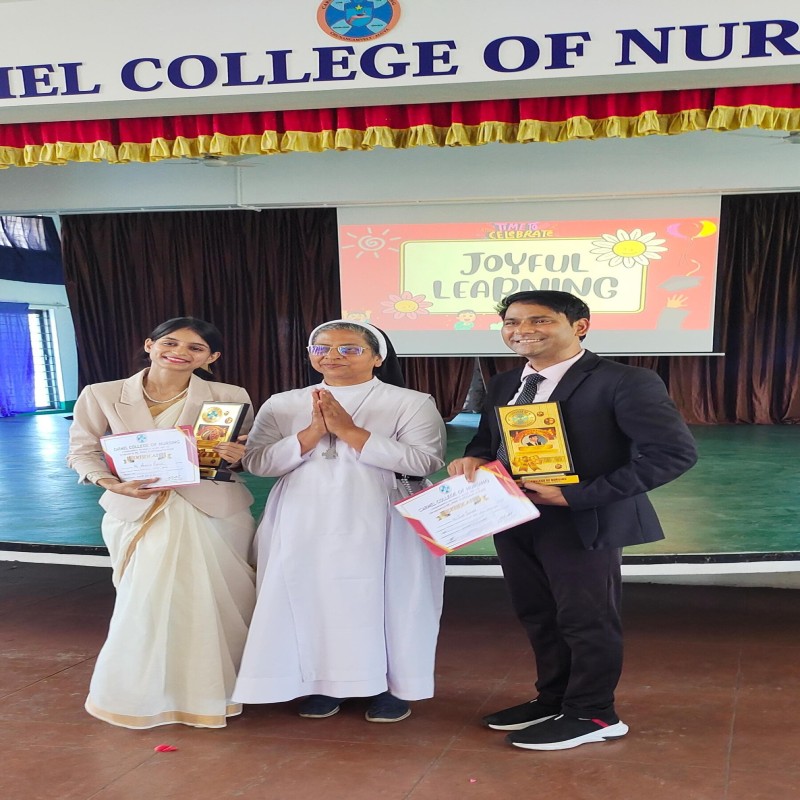
At Carmel College of Nursing, we are deeply committed to not just educating exceptional healthcare professionals, but also paving clear pathways for their global career success. Our robust Career Guidance Program bridges the gap between academics and professional transitions by regularly hosting leading external training academies and recruitment agencies. Through specialized sessions led by premier partners—including language training programs like German language preparation and expert coaching from institutions such as Neethu's Academy—we equip our students to excel in competitive international landscapes. These comprehensive seminars expose students to diverse global career opportunities, clear pathways for overseas employment, and competitive salary packages, ensuring our graduates enter the healthcare workforce well-prepared, highly sought-after, and confident in their professional choices.
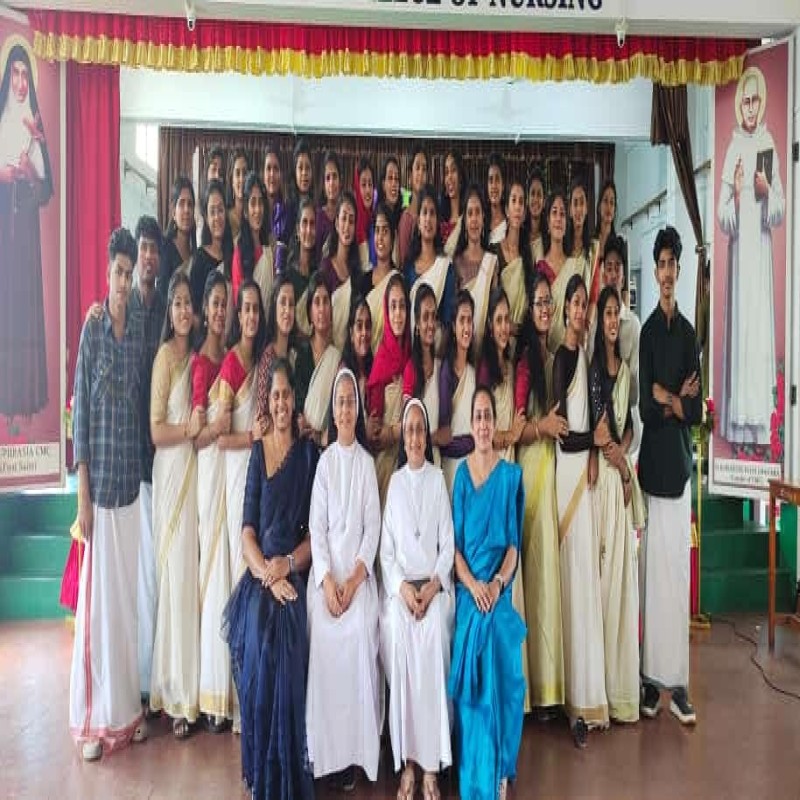
The institution operates a Zero-Tolerance Policy regarding harassment and malpractice, structured through independent, specialized bodies. The college maintains a Grievance Redressal Cell to address student complaints and ensure a healthy academic atmosphere. Functions of the cell include: The cell handles issues related to academics, infrastructure, student services, and general campus concerns.
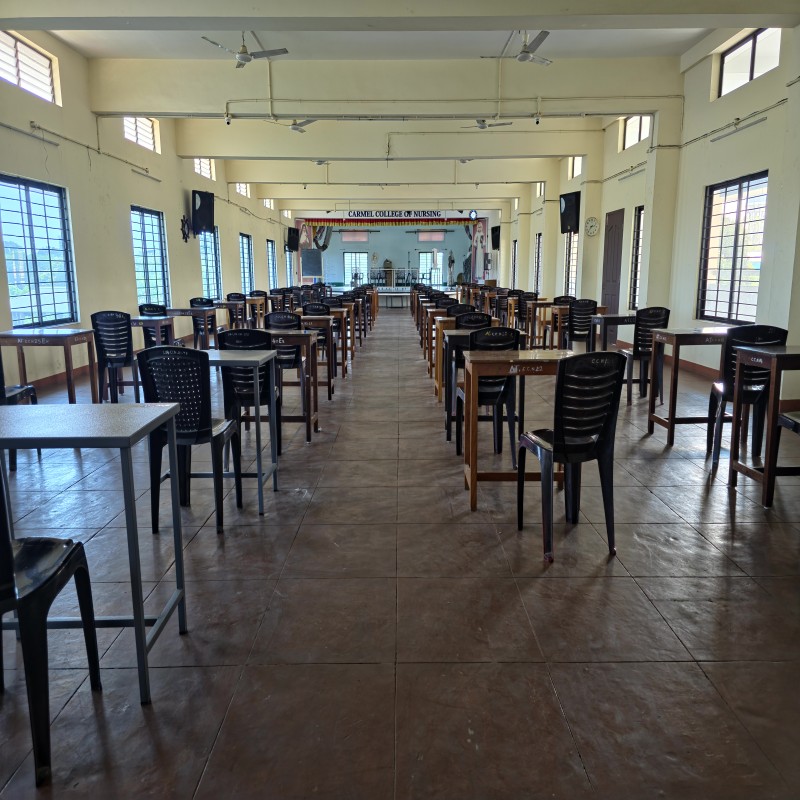
The institution provides mechanisms to address examination-related grievances such as: Students can approach faculty members, department-level committees, and grievance cells for fair resolution of examination issues.
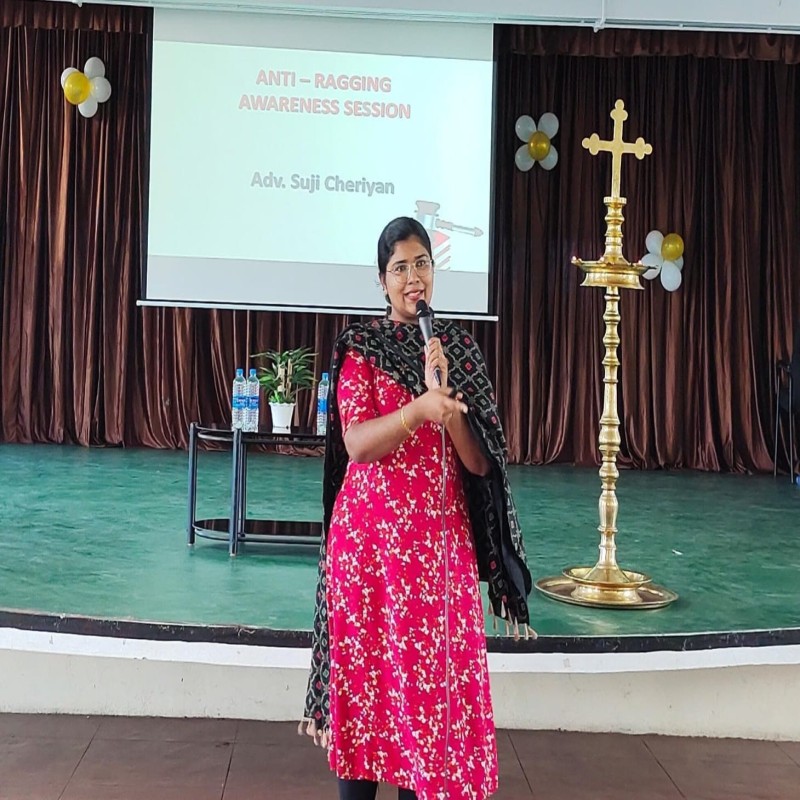
The Anti-Ragging Committee ensures a safe and ragging-free campus in accordance with UGC regulations. Main activities include: The college follows a zero-tolerance policy toward ragging. Members : 1. Sr. Naveena CMC (Administrator, Carmel hospital) 2. Dr. Sr. Joice Maria CMC ( Principal, CCON) 3. Mrs. Jeena U (Aisst. Professor, CCON) 4. Mr. Lalu P. J ( 7th – 8th Semester Parent Representative) 5. Mr. Saju ( 5th – 6th Semester Parent Representative) 6. Mrs. Jiji Babu ( 3rd - 4th Semester Parent Representative) 7. Mr. Benny PV ( 1st – 2nd Semester Parent Representative
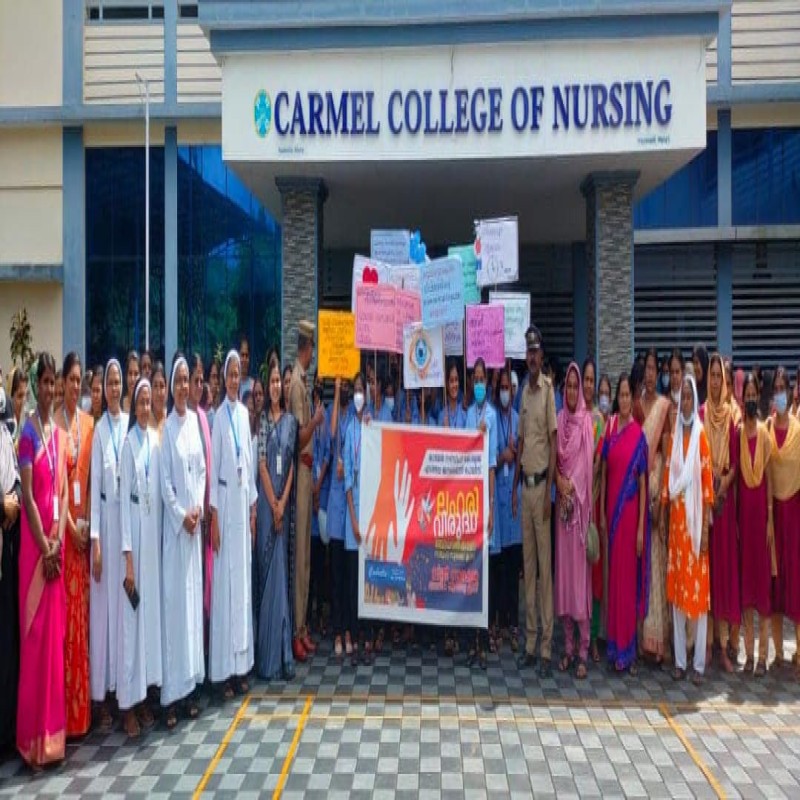
The Anti-Drug Committee conducts awareness and preventive programs to promote a healthy and drug-free campus environment. • Mandate: Implemented through dedicated state-level campus initiatives (such as SRADHA and NERKOOTTAM frameworks in regional networks). • Protocol: Conducts periodic awareness campaigns, maintains strict campus vigilance, and coordinates counselling services to ensure a completely substance-free educational environment. Activities include: Members:
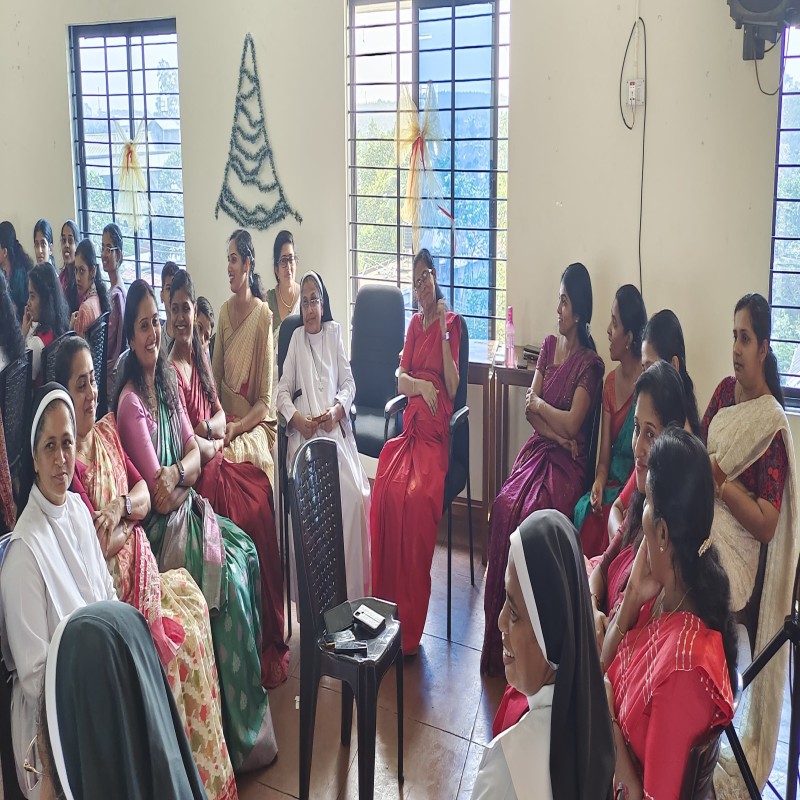
The Internal Complaints Committee (ICC) is established to ensure safety, dignity, and gender equality within the campus. Functions of the ICC: The committee works according to UGC guidelines and institutional policies.

At Carmel College of Nursing, we understand that a student's academic journey is most successful when paired with consistent emotional and professional support. To foster this, our structured Mentor-Mentee Program ensures a highly personalized guidance system, pairing just ten students with a dedicated faculty mentor. Meeting at regular intervals both individually and in collaborative groups, this program provides a safe, encouraging space for students to discuss academic challenges, personal hurdles, and professional goals. Our mentors actively help students develop effective learning strategies, adapt smoothly to the rigorous demands of clinical and campus life, and offer vital psychological and emotional support. Through this close-knit mentorship network, we ensure that no student walks through their nursing education alone.

Campus life at Carmel Nursing College combines academics with extracurricular and co-curricular development. Students benefit from: The campus environment aims to help students become compassionate, skilled, and confident nursing professionals.
Carmel College of Nursing, Aluva, is deeply rooted in the philosophy of social commitment, actively extending its healthcare expertise beyond the classroom to serve the wider community. Our students and faculty regularly lead vital public health awareness campaigns, addressing critical modern health challenges such as the anti-drug movement and the ill effects of tobacco use. With a strong focus on preventative care, the college conducts widespread education programs on managing and preventing lifestyle conditions like diabetes mellitus and cardiac diseases, as well as crucial initiatives covering tuberculosis (TB) prevention, the physiological importance of breastfeeding, and auditory health awareness regarding the protection of ears from high-decibel sounds. Grounding our clinical training in community service, we consistently organize medical camps and school health programs, ensuring that accessible healthcare education and primary screening reach the vulnerable and young minds across the region.